SAPPHIRE ADIZES
PRESS




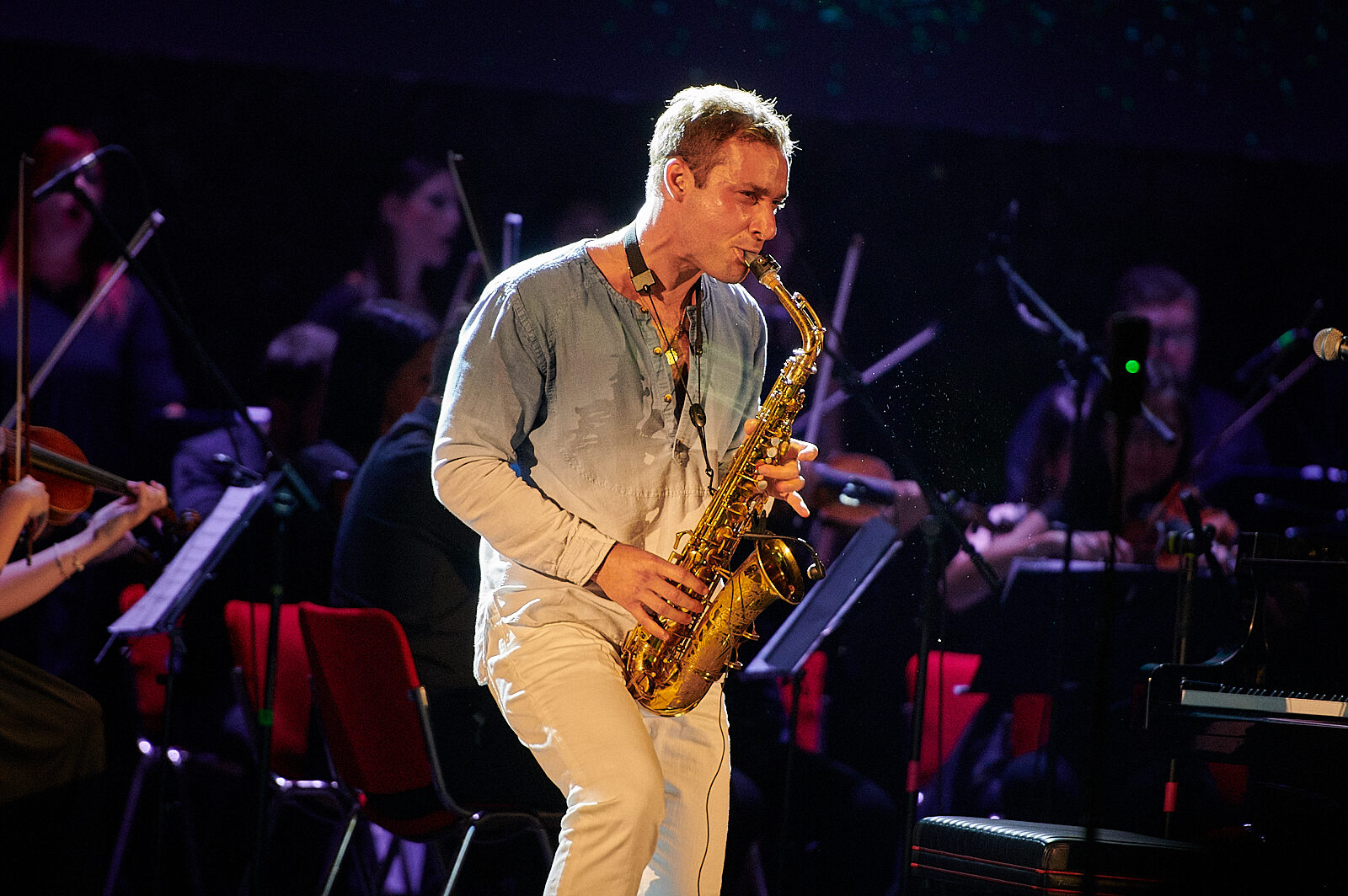
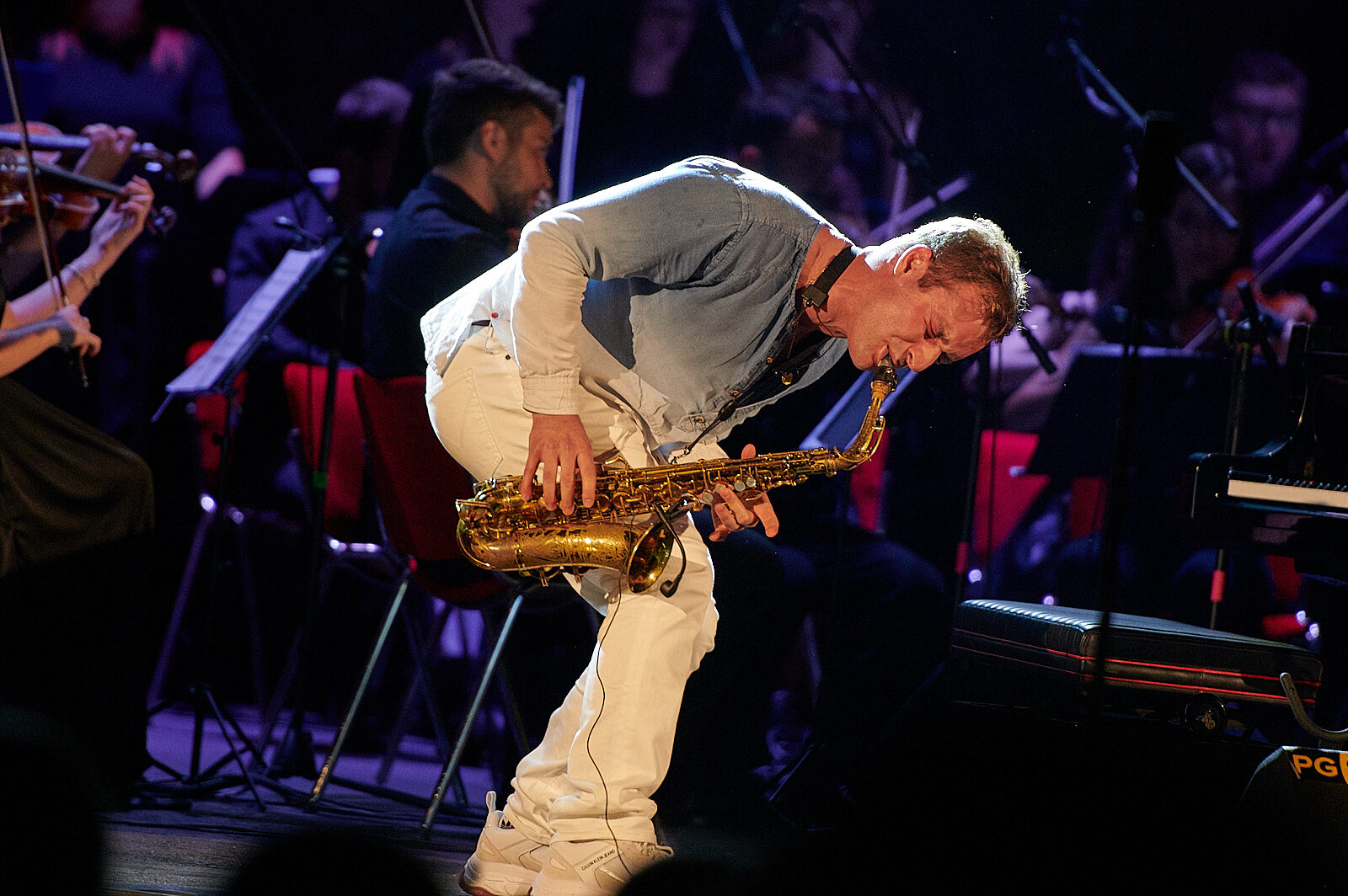
With over 311 million streams and 131 million views, Sapphire Adizes is a visionary artist, composer, producer, songwriter, saxophonist, pianist, and technology founder whose work spans contemporary music, classical composition, jazz, and emerging technology. He is the co-founder, Chief Product Officer, and Chief Music Officer of BUMP, a music streaming platform reimagining how music is discovered, valued, and monetized.
Adizes began composing and performing as a child, writing his first sonata at five. By his teens, his first symphony had been premiered while he was establishing himself as an award-winning saxophonist, earning national recognition as a performer and coverage in DownBeat magazine. At eighteen, he appeared at Lincoln Center as a featured artist with his own jazz quartet. His early work across composition and improvisation became the foundation for a career defined by the integration of musical traditions typically treated as separate disciplines.
Following Lincoln Center, Adizes began applying his background in classical composition and jazz to contemporary songwriting and production. Working with his college roommate Berhana, then an unreleased artist, he co-wrote and produced Berhana's debut EP independently, without a label or marketing infrastructure. The project went on to generate nearly a quarter-billion streams, establishing Adizes as a producer and songwriter and demonstrating the commercial potential of an approach rooted in both composition and improvisation.
During the same period, he began developing Present Music, a formal theory that analyzes music through five fundamental elements rather than conventional genre classifications. The theory formalized an approach that would come to define his work: treating genre not as a boundary, but as material, allowing ideas from classical music, jazz, electronic music, hip-hop, and other traditions to coexist within a single musical language.
Adizes subsequently entered the broader recording industry, working across projects released by Warner Music Group, Capitol Records, Sony Music Entertainment, and other major labels. His collaborators have included The Chainsmokers, Bryce Vine, Busta Rhymes, Leon Thomas, and others. In 2019, he was invited to participate in Kanye West's writing camp. He later co-wrote and co-produced Leon Thomas's "Treasure In The Hills," which has surpassed 80 million streams, and contributed to Bryce Vine's "Blame It On Me," later performed on The Ellen DeGeneres Show.
His work extends across film, television, and live performance. Adizes's compositions have appeared in FX's Emmy Award-winning Atlanta and Showtime's The Chi, and he has composed for projects directed by Emmy Award-winning filmmakers. As a performer, he has presented original compositions for audiences of more than 50,000 people, including appearances at leading international classical music festivals. A widely circulated saxophone performance has exceeded 72 million views on YouTube alone and received coverage from outlets including ABC, USA Today, HuffPost, Complex, and BuzzFeed.
Alongside his work as an artist and producer, Adizes has consistently built infrastructure around music. He owns and operates recording studios in California and Puerto Rico, including The Avocado Orchard, a multi-studio compound in Carpinteria that has hosted Grammy-winning artists, writers, and producers including Kenny Loggins and Leon Thomas.
Adizes's work in technology emerged from the same interest in rethinking the systems surrounding music. As digital ownership and decentralized technology began entering the cultural landscape, he became an early builder at the intersection of music and blockchain, developing artist-facing projects with major recording artists including Busta Rhymes and Yung Bleu. For Busta Rhymes, Adizes also produced and composed the music for "Dungeon Dragon." His involvement in decentralized technology subsequently expanded into finance, including work as an advisor to Maya Protocol, a cross-chain DeFi platform.
That experience sharpened a problem Adizes had already encountered throughout his own career. Hundreds of millions of streams could produce extraordinary cultural reach without creating proportional economic value for the people making the music. At the same time, independent artists were increasingly expected to manufacture attention on social platforms before the traditional industry would meaningfully engage with their work.
For years, Adizes had been developing an alternative thesis: that music discovery itself could have value. Listeners who recognize important music early should be able to act on that conviction, while artists should participate more directly in the value generated as attention forms around their work.
The idea took on a new dimension when Adizes met Jeremy Gardner, co-founder of Augur and the first investor in Polymarket. Gardner had been exploring his own ideas at the intersection of music, markets, and taste. Recognizing that they had independently arrived at closely related visions for the future of music, Adizes and Gardner co-founded BUMP.
At BUMP, music streaming and discovery are combined with a market layer around songs, allowing fans to participate in the music they believe in while creating new ways for artists to capture value as attention develops around their work. As Chief Product Officer and Chief Music Officer, Adizes shapes both the platform itself and its relationship with artists, bringing his experience as a musician, producer, and songwriter directly into its design.
For Adizes, however, BUMP is also deeply personal.
For years, he had been developing three albums of his own while confronting the structural limitations facing independent artists: an ecosystem increasingly dependent on social algorithms, paid attention, and pre-existing virality, with little connection between the cost of building an audience and the economics generated by streaming.
Rather than simply adapting his music to that system, Adizes helped build an alternative.
He is now releasing those three albums, one song at a time, through the platform he co-founded.
That convergence defines what Adizes calls the founder artist: an artist who participates not only in making the work, but in building the systems through which that work can be created, discovered, distributed, and valued. The company is not separate from the artistic practice; it emerges from it.
Across composition, production, theory, performance, recording studios, and technology, the pattern in Adizes's work is consistent: when the structure required for the work does not exist, he builds it.
BUMP is the latest and most ambitious expression of that instinct, and the platform through which Adizes is now releasing the music that helped inspire its creation.